Hawaii Five-0 Filmed at Tiki’s Grill & Bar: Powa Maka Moana Tongan Pirates
Hawaii Five-0 Filmed at Tiki’s Grill & Bar in Waikiki: Tongan Pirates
If you are a fan of Hawaii Five-0 filming locations in Waikiki, there is a piece of the show’s history right here at Tiki’s Grill & Bar.
In January 2011, CBS’s Hawaii Five-0 filmed scenes for Season 1, Episode 17, “Powa Maka Moana (Pirate)” at Tiki’s Grill & Bar, then located inside the Aston Waikiki Beach Hotel, now The Twin Fin Hotel. The episode, “Powa Maka Moana (Pirate),” also remembered by some around the production as “Tongan Pirates,” brought the Hawaii Five-0 cast and crew to Tiki’s Grill & Bar in Waikiki.
“Hawai‘i 5-0 Videos – DaBeachBum”
A behind-the-scenes video shot while Hawaii Five-0 was filming at Tiki’s Grill & Bar in Waikiki, filmed in 4K HD.
Watch Hawaii Five-0 Filming at Tiki’s Behind the Scenes
One of the people on set also captured a behind-the-scenes video of Hawaii Five-0 filming at Tiki’s Grill & Bar.
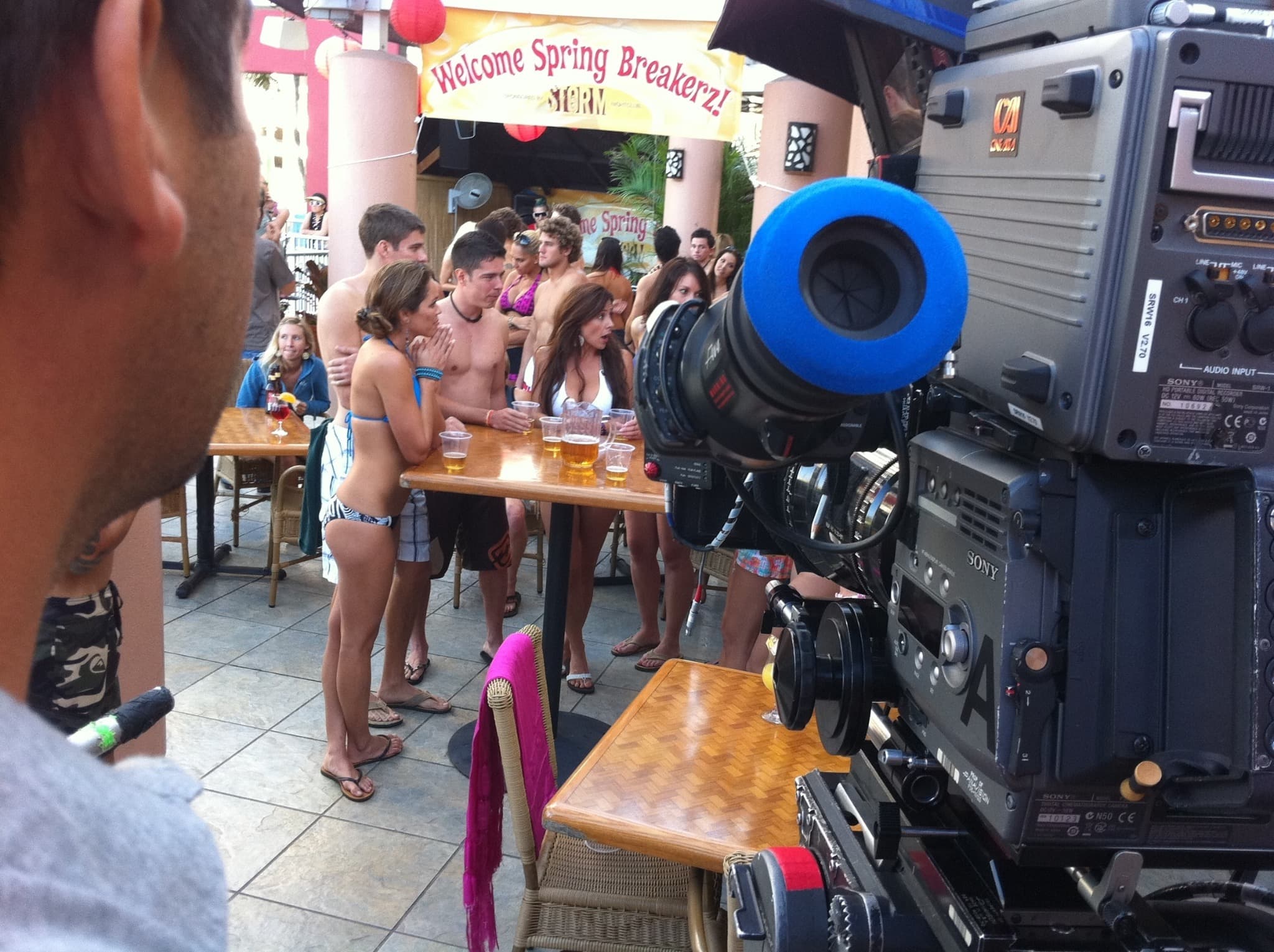
The footage gives a rare look at what was happening beyond the finished television episode — cameras, cast, extras, production equipment and the restaurant being transformed into a working television set.
For anyone interested in Hawaii Five-0 filming locations in Waikiki, it is a fun opportunity to see the actual Tiki’s shoot rather than just the finished scenes.
With its ocean views, large open bar, tropical setting and distinctive tiki decor, Tiki’s naturally lent itself to the episode’s Waikiki spring break storyline. It already had the look and energy the production needed — young people gathering, tropical drinks flowing, local beer behind the bar and the feeling of a good time in Hawaii.
For one morning, our restaurant became a working television set.
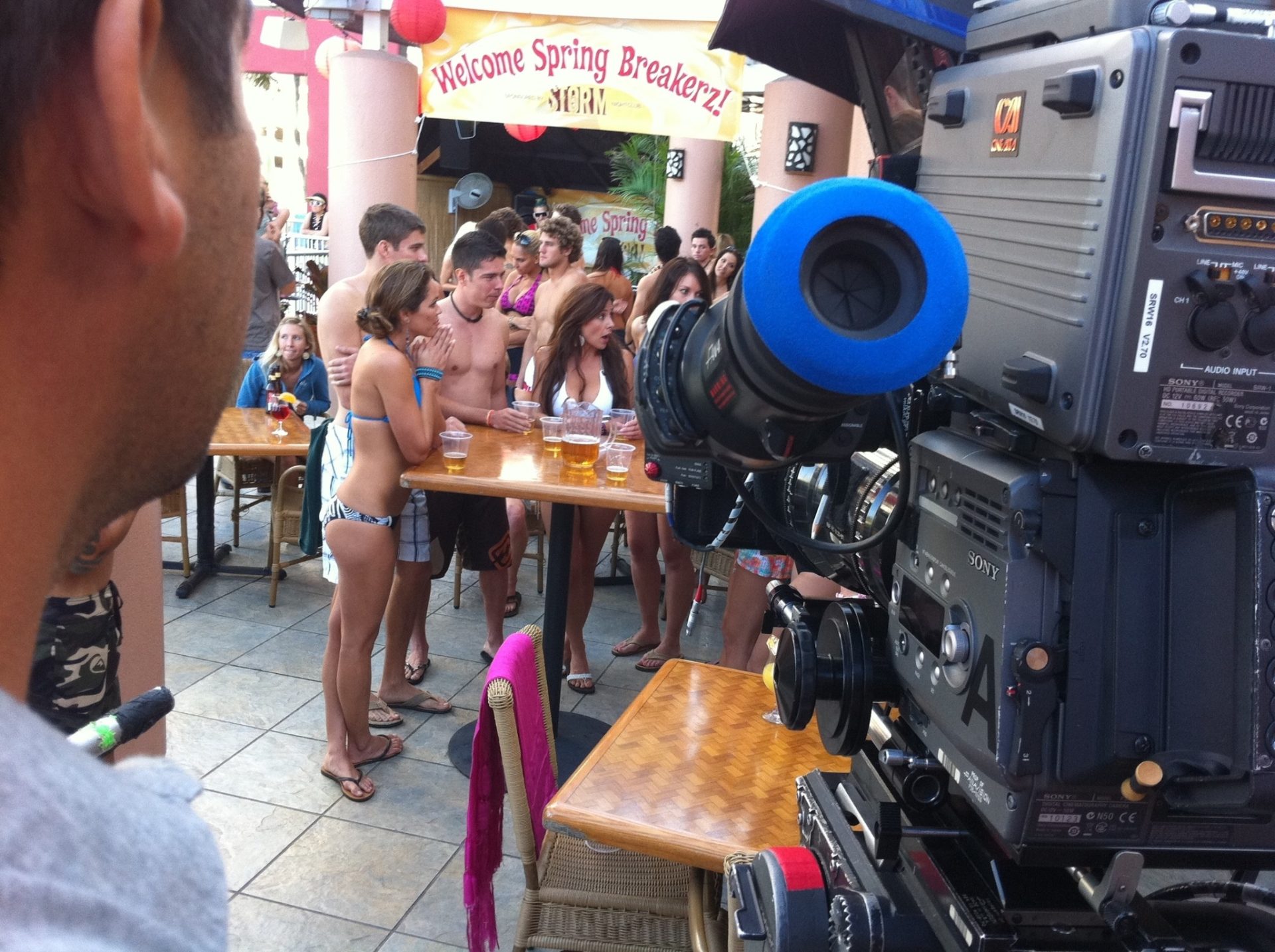
A Hawaii Five-0 camera crew filming at Tiki’s Grill & Bar in Waikiki.
When Hawaii Five-0 Came to Tiki’s
The episode follows the Five-0 team — Steve McGarrett (Alex O’Loughlin), Danny “Danno” Williams (Scott Caan), Chin Ho Kelly (Daniel Dae Kim), and Kono Kalakaua (Grace Park) — as they investigate a pirate attack and kidnapping involving a group of spring breakers.
Part of that storyline brought Chin Ho Kelly (Daniel Dae Kim) and Kono Kalakaua (Grace Park) to Tiki’s.
One sequence shows the two walking up the stairs toward the restaurant.
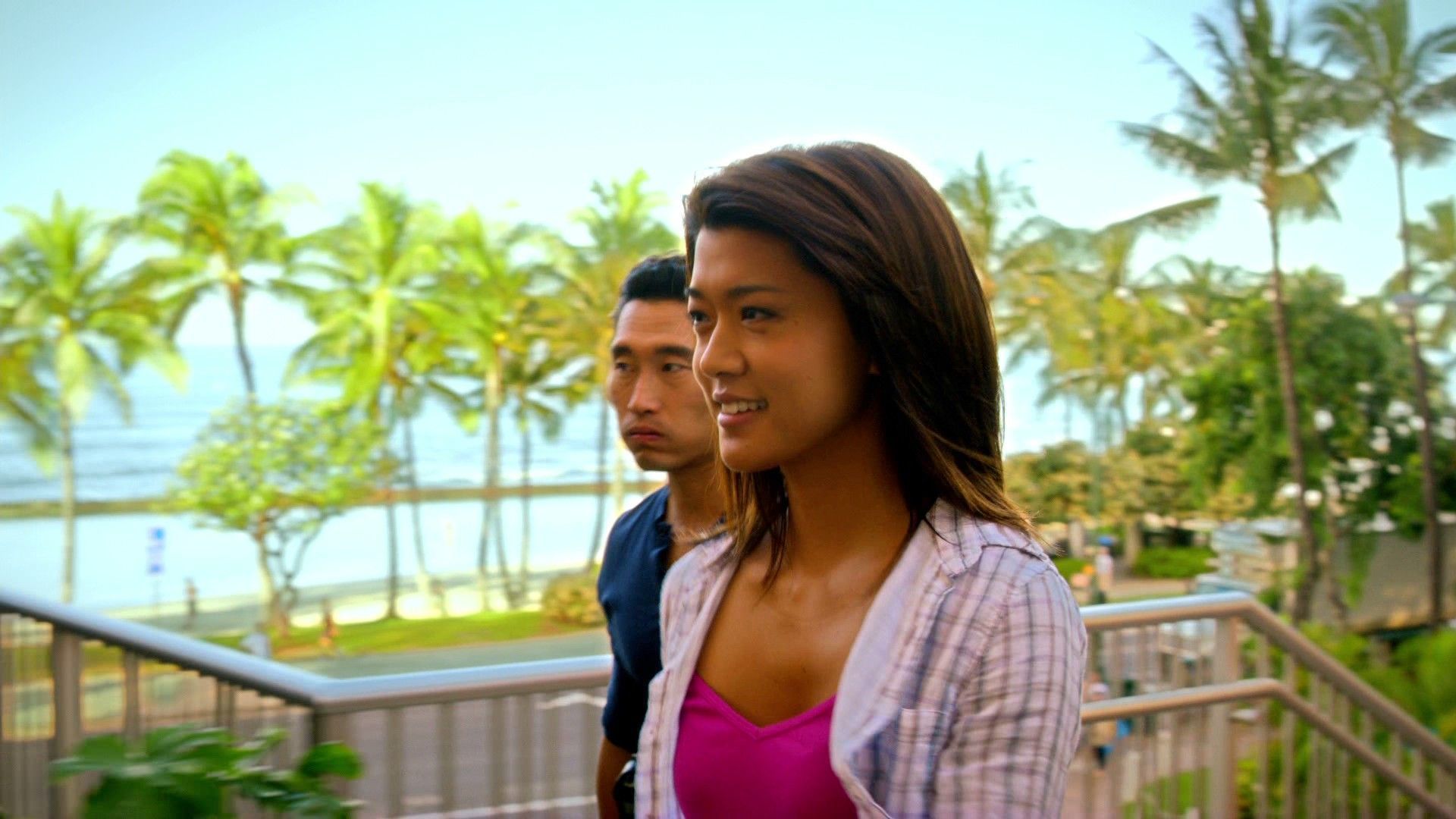
Chin Ho Kelly (Daniel Dae Kim) and Kono Kalakaua (Grace Park) walk up the stairs to Tiki’s Grill & Bar during Hawaii Five-0 filming in Waikiki.
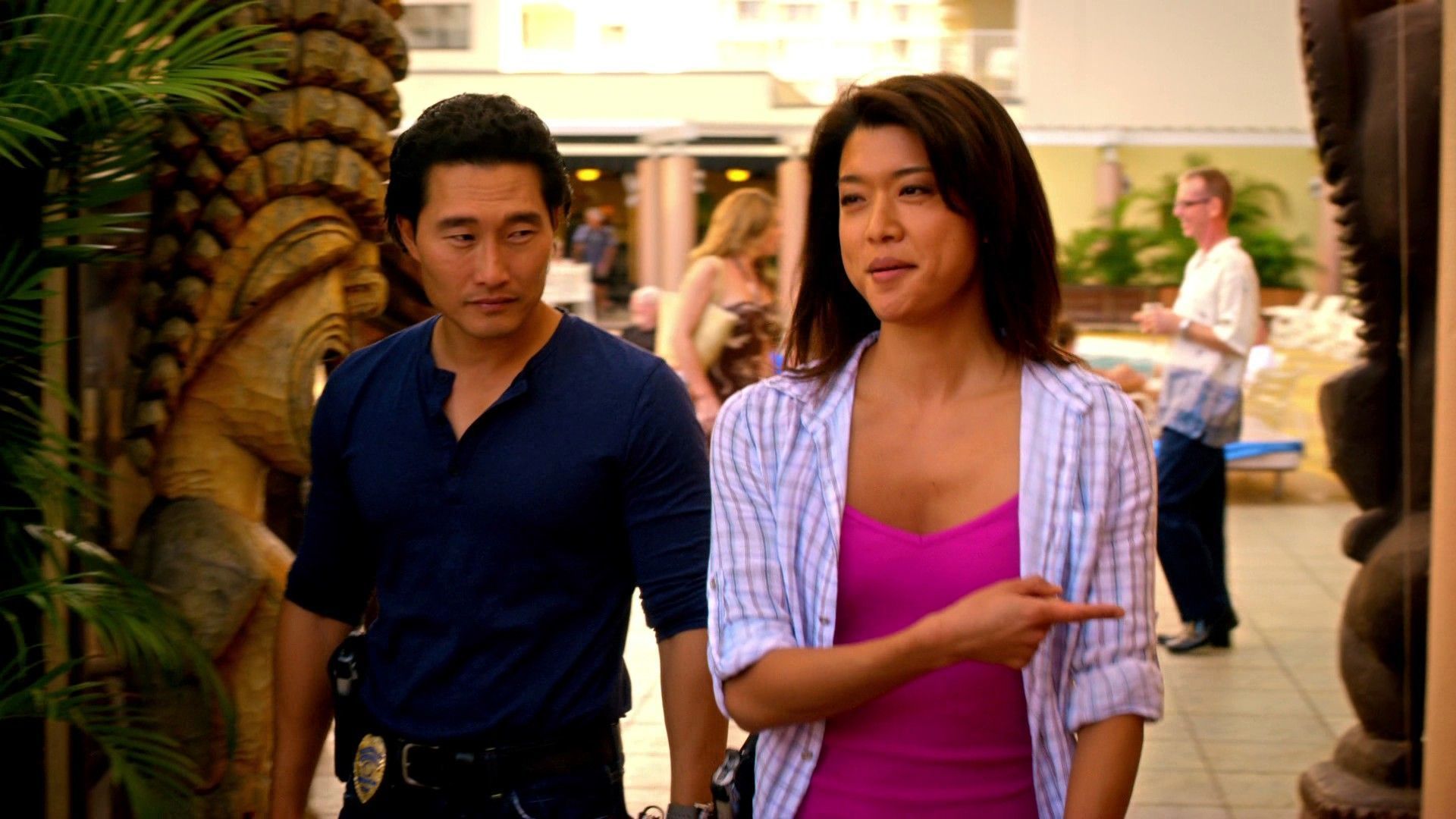
They then cross the pool deck and enter Hina’s Lanai, passing the large tiki statue.
A closer view of Hawaii Five-0 filming around the former Aston Waikiki Beach Hotel in Waikiki.
The setting worked perfectly for the story. Beyond the tiki carvings and tropical decor, the camera could look through Tiki’s large main bar toward the Pacific Ocean while the restaurant was filled with young spring break partygoers.
In another scene, Chin Ho and Kono question a man connected to their investigation while the party continues around them.
Look closely in the background and you can also spot Michael Miller, one of Tiki’s partners.
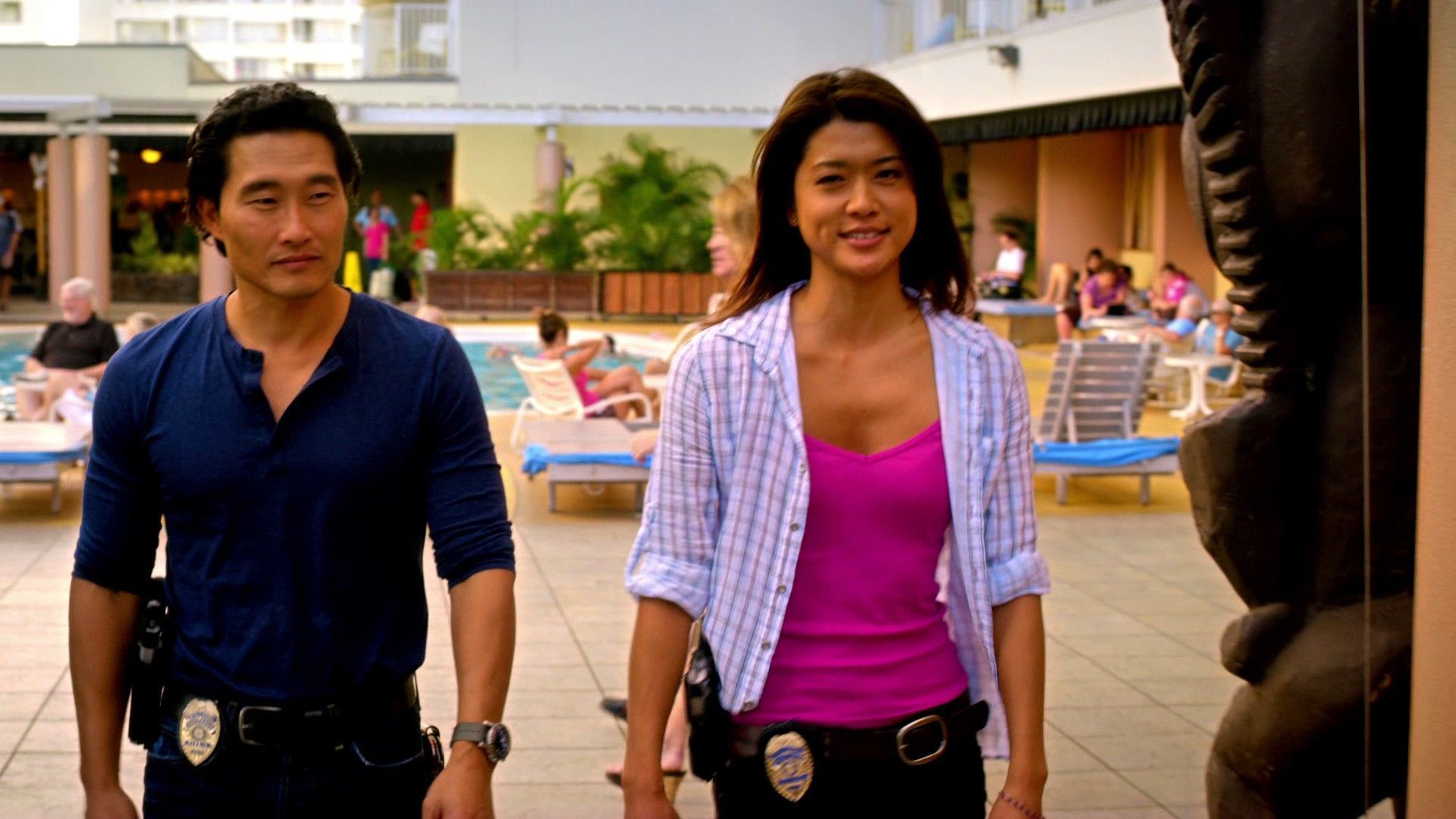
Chin Ho Kelly (Daniel Dae Kim) and Kono Kalakaua (Grace Park) cross the pool deck into Hina’s Lanai beside the large tiki statue during Hawaii Five-0 filming at Tiki’s Grill & Bar in Waikiki.
One of Tiki’s Own Was Behind the Bar
One of our favorite connections to the episode is Erik Harris, today Tiki’s Assistant General Manager.
Erik also appeared during the production as a bartender.
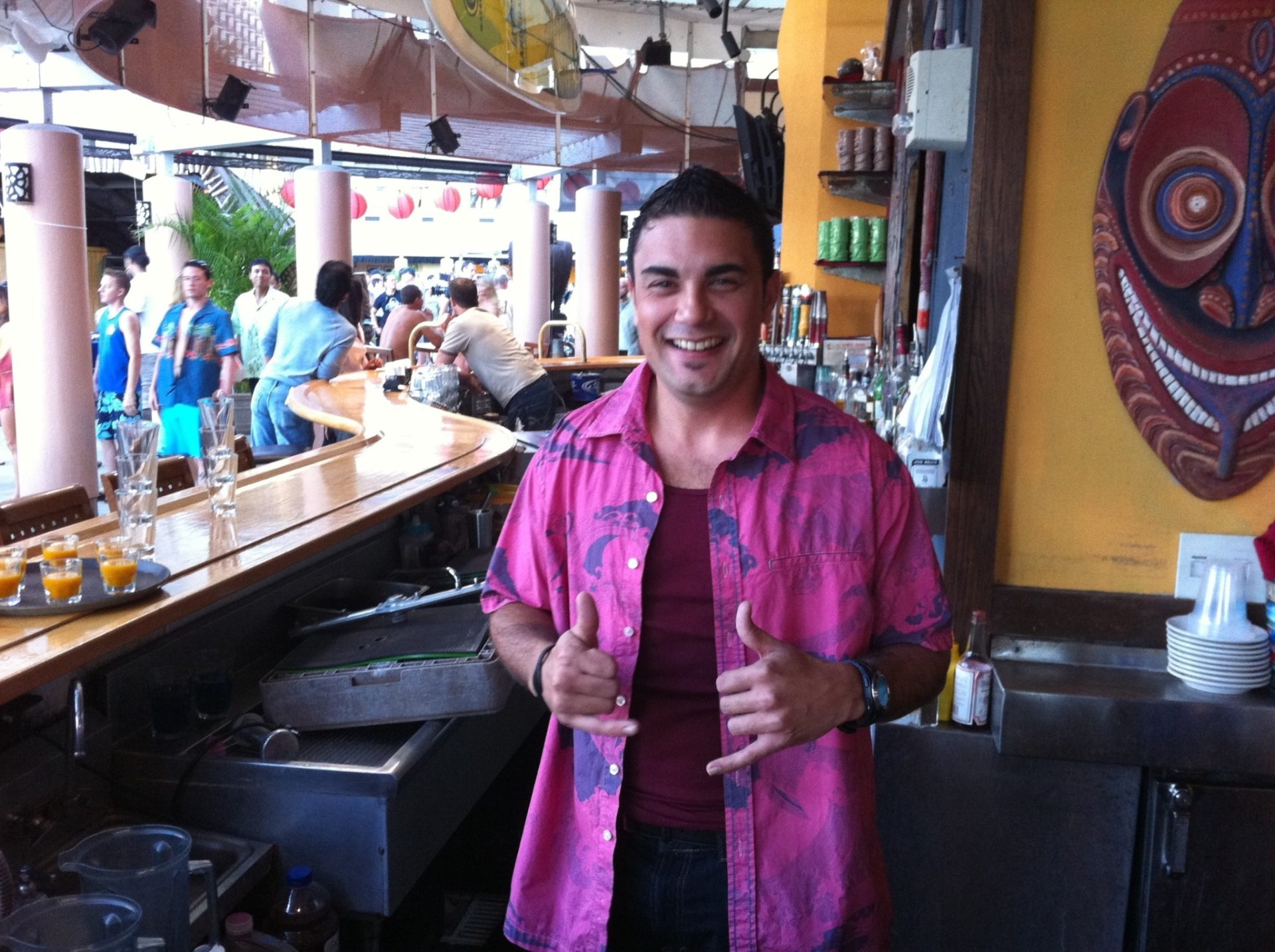
Erik Harris during the filming of Hawaii Five-0 at Tiki’s Grill & Bar in Waikiki.
So while the actors were investigating a fictional Waikiki party, one of the people behind the bar actually knew his way around a Tiki’s bar.
Michael Miller was busy helping coordinate between the restaurant and production crew, making sure the crew had what they needed while Tiki’s prepared for its normal opening.
That gave our team a firsthand look at some of the tricks that go into television production.
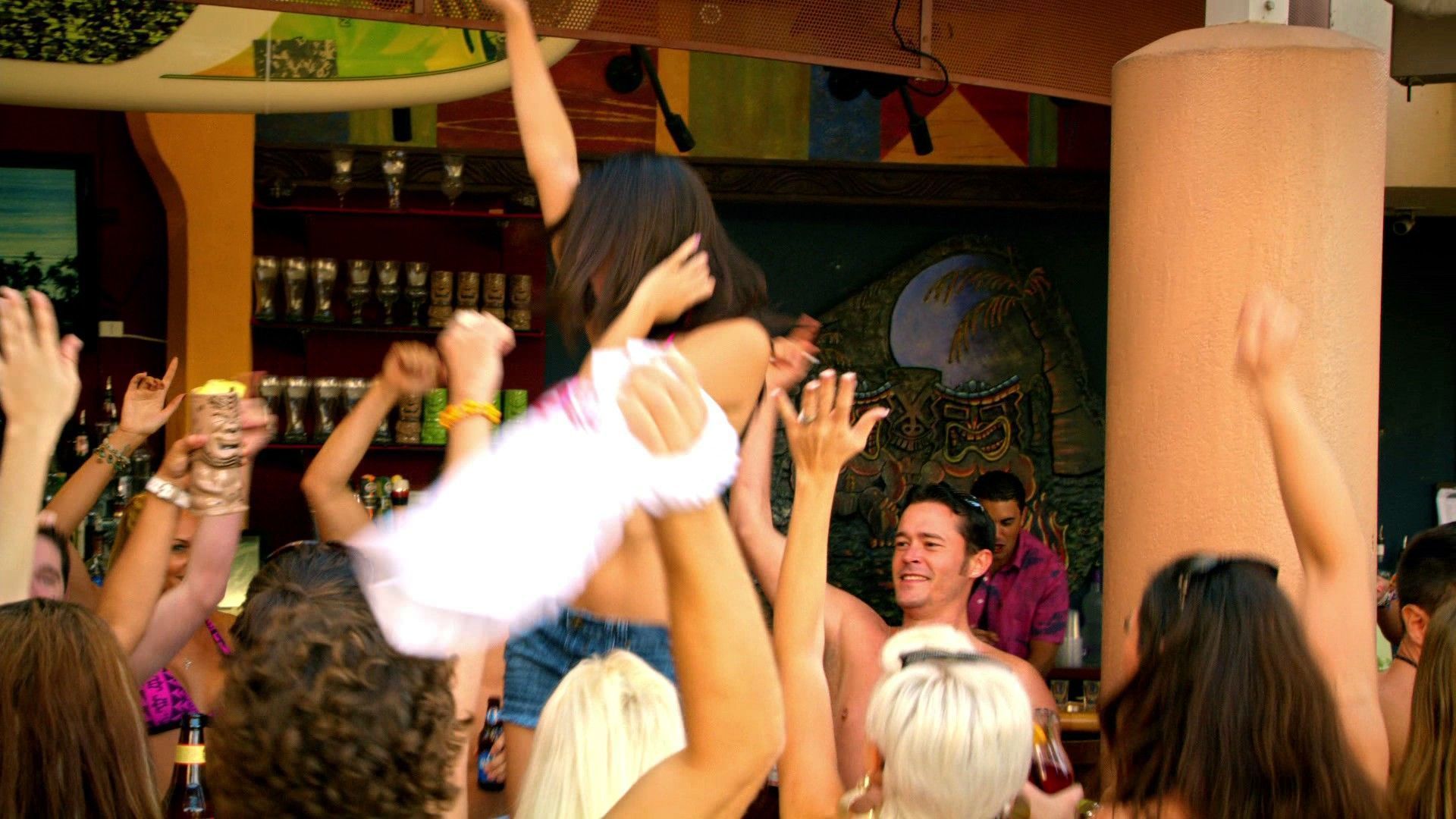
A Hawaii Five-0 party scene filmed inside Tiki’s Grill & Bar in Waikiki.
The Cocktail Trick Most Viewers Never Notice
One of the most interesting involved the drinks.
A bar scene may be filmed repeatedly from several different camera angles. Someone takes a sip in one take, the camera moves, and then the same moment is filmed again.
The drink needs to look exactly the same.
That is called continuity.
The crew set up a table about six feet long with marked spaces for each person’s drink. Names were written on tape, and the drinks were photographed so the production team knew which glass belonged to each person, what color the liquid was and exactly how full it should be.
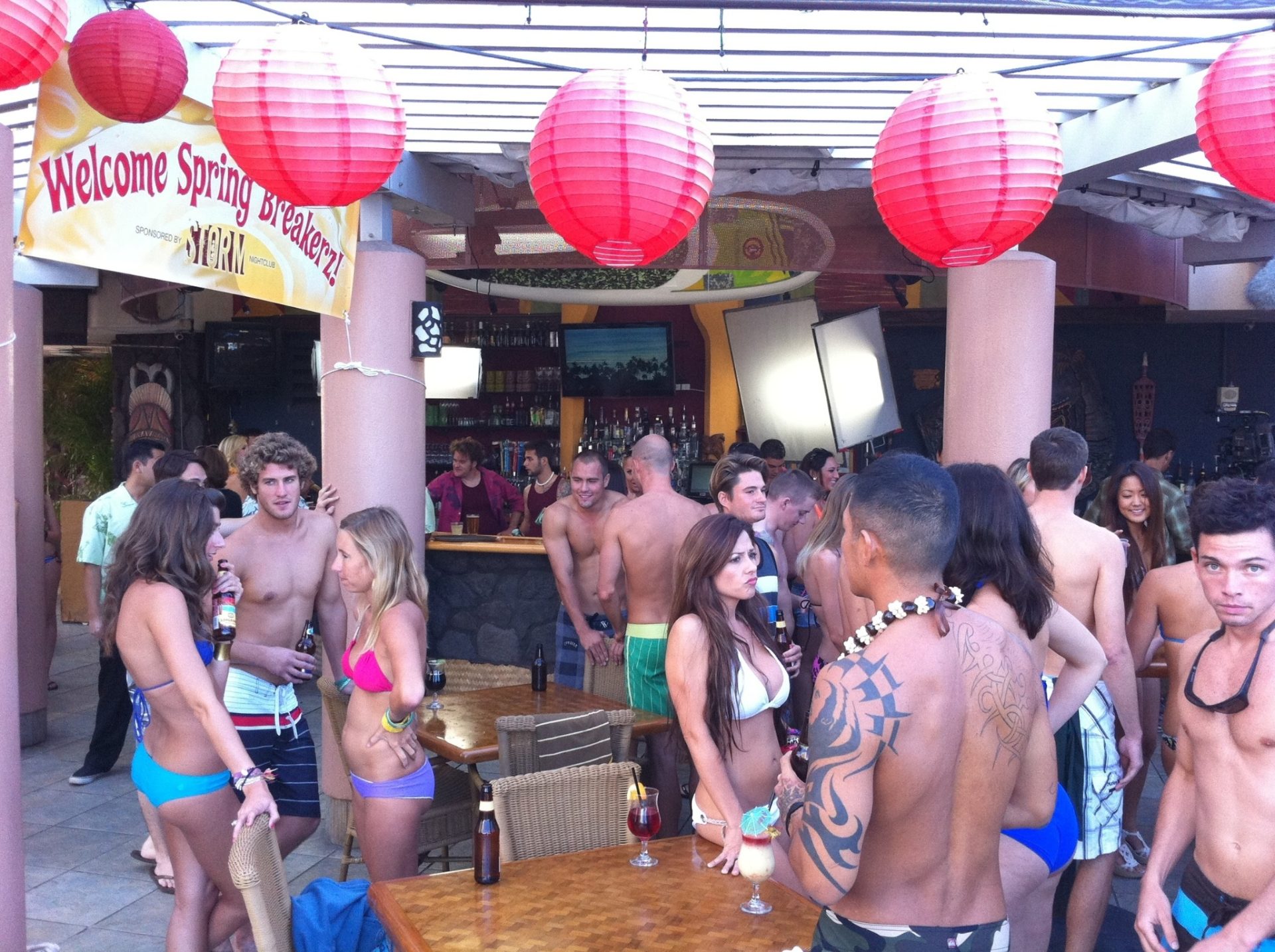
Tiki’s Grill & Bar transformed into a spring break party scene for Hawaii Five-0.
When the director called “Cut!”, everyone returned their drink to its assigned spot.
If something spilled, the crew could recreate the drink and refill it to the proper level before the next take.
It sounds like a tiny detail, but television is filled with details like that. Without them, a half-full tiki drink could magically become full again every time the camera angle changed.
The Crew Kept Coming Back
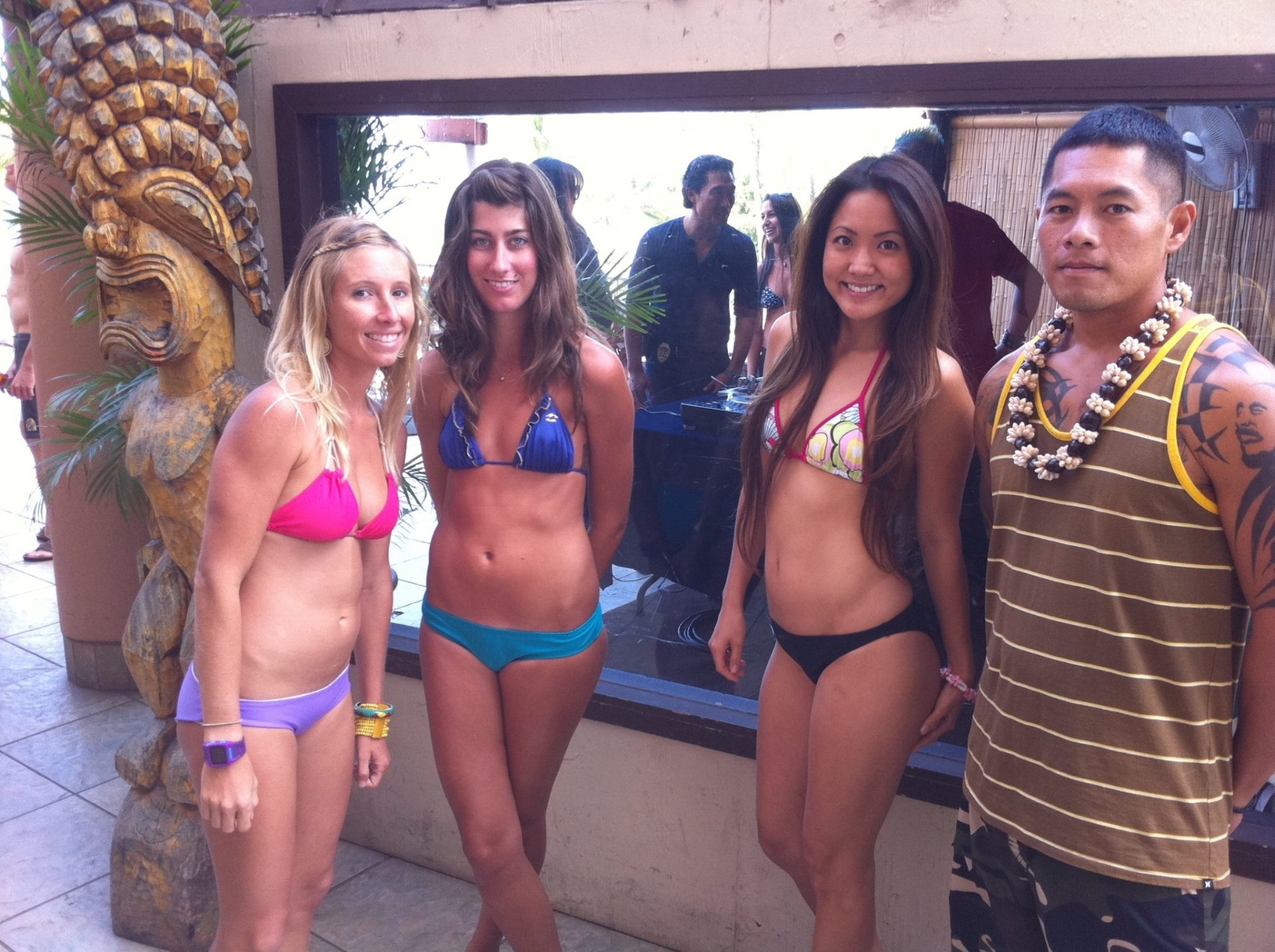
Cast and background performers during Hawaii Five-0 production at Tiki’s Grill & Bar.
The relationship with Hawaii Five-0 did not end when the episode wrapped.
During the years the show filmed around Oahu, members of the production crew would often stop into Tiki’s for lunch or pau hana drinks.
That made the connection feel less like a one-day television shoot and more like part of Tiki’s history. Crew members became familiar faces, stopping in for food, a local beer, a tropical cocktail or simply some time to relax after a long production day.
From Filming Location to Hawaii Five-0 Party
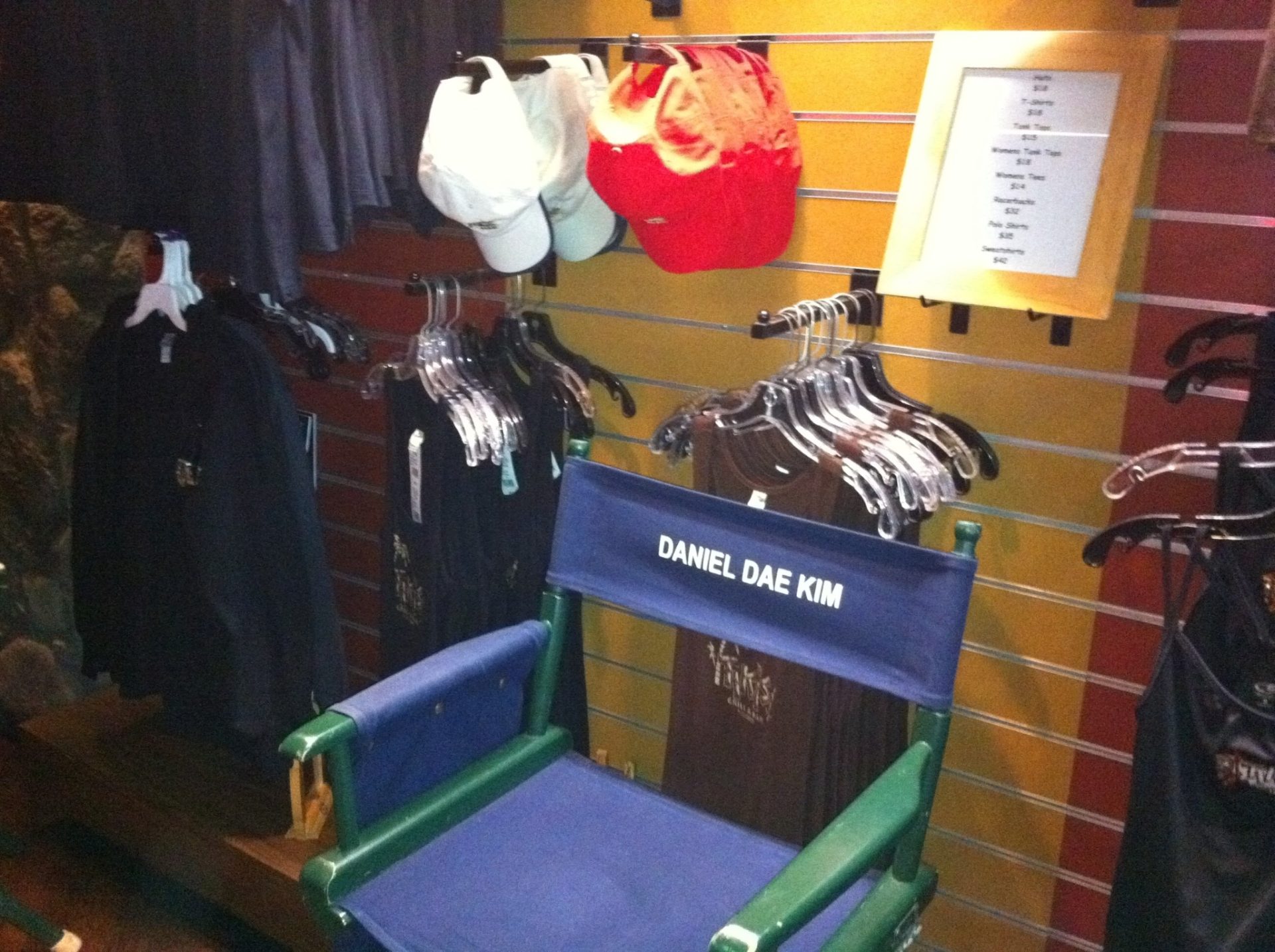
A behind-the-scenes look at a Hawaii Five-0 production chair and wardrobe area in Waikiki.
Tiki’s also helped plan a Hawaii Five-0 pre-screening party for approximately 200 guests.
The event included locally inspired food, dedicated bar service and even seashells used as drink tickets.
Producing a great party has something in common with producing a television show: guests see the fun, but there is a lot happening behind the scenes.
You need the food ready, bartenders staffed, drinks cold, screens and sound working, and enough room for everyone to have a good time.
Fortunately, tiki drinks, local beer, ocean views, a big bar and a Waikiki sunset give you a pretty good place to start.
Visit a Real Hawaii Five-0 Filming Location in Waikiki
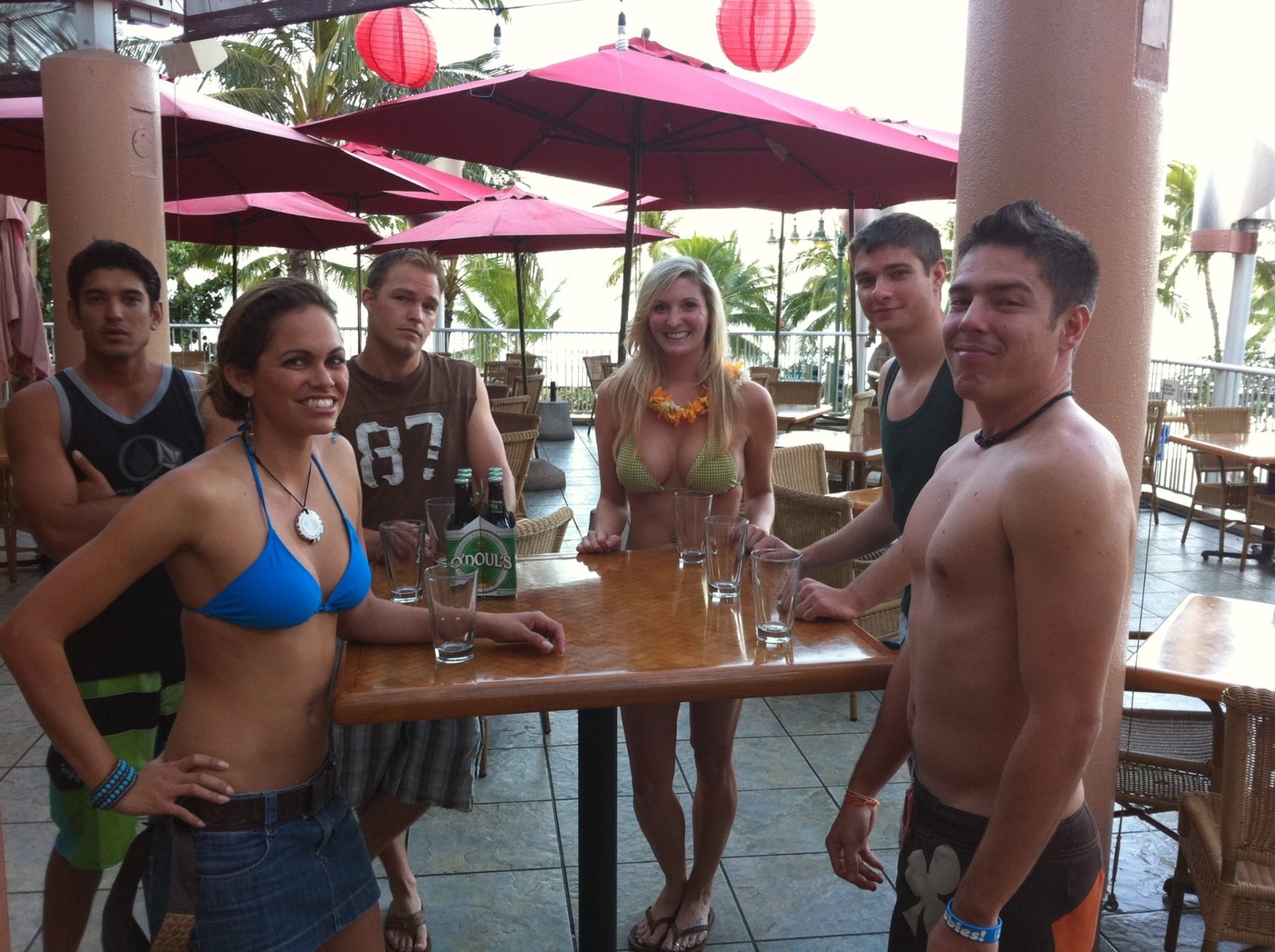
Behind the scenes during the Hawaii Five-0 spring break shoot at Tiki’s Grill & Bar in Waikiki.
For fans exploring Hawaii Five-0 filming locations on Oahu, Tiki’s is one you can actually experience.
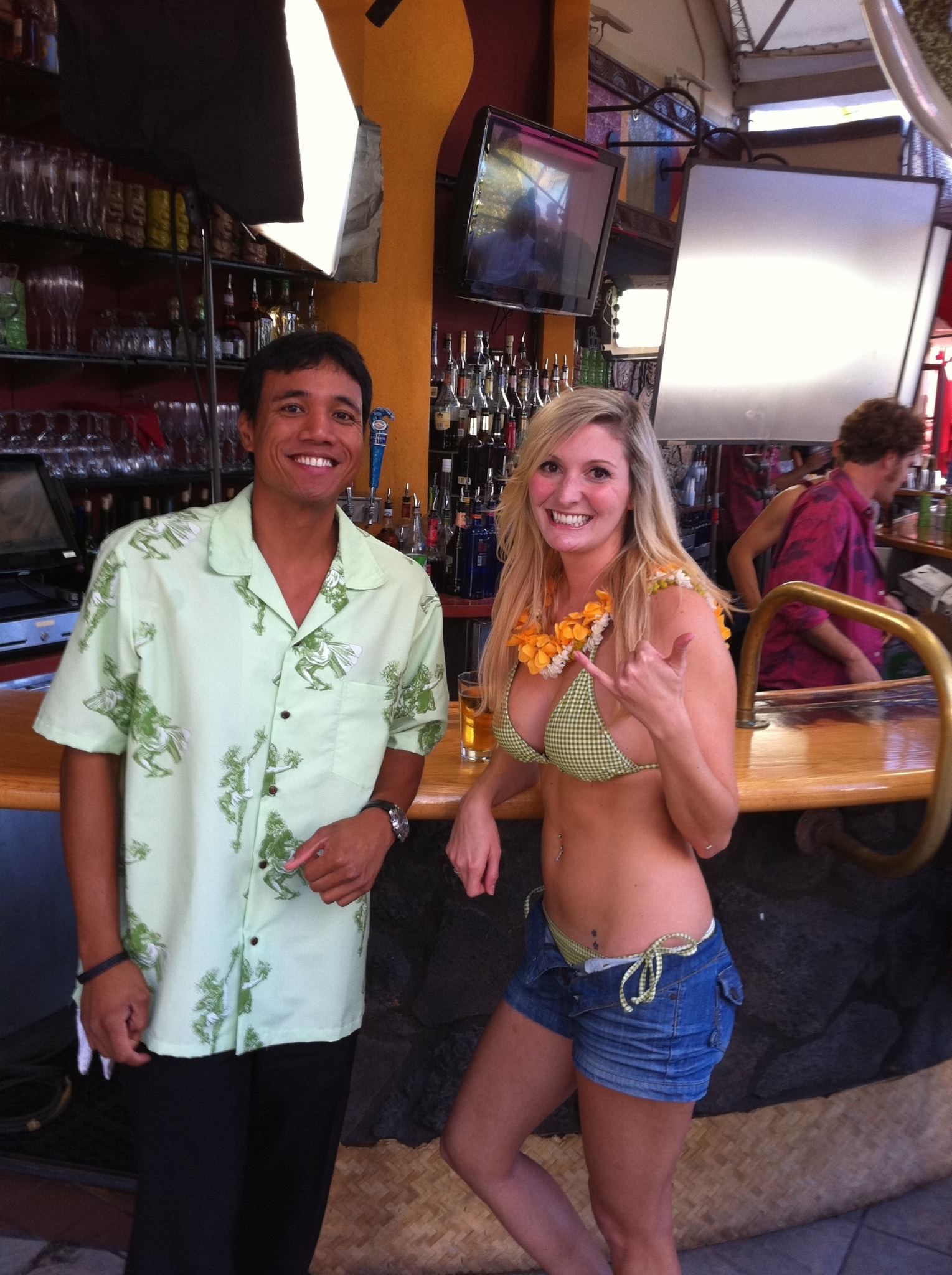
A behind-the-scenes moment at the Tiki’s bar during Hawaii Five-0 filming.
Come upstairs, sit near the areas you see in the episode, enjoy the ocean view, order a Mai Tai or another tropical drink, try a local beer, grab some food and enjoy a little of the same Waikiki atmosphere that helped make Tiki’s such a natural setting for Hawaii Five-0.
And the next time you watch “Powa Maka Moana,” keep an eye on the bar.
You might recognize more than the scenery.
Tiki’s Grill & Bar
2570 Kalakaua Avenue, Waikiki


 IMG_1007.jpeg


